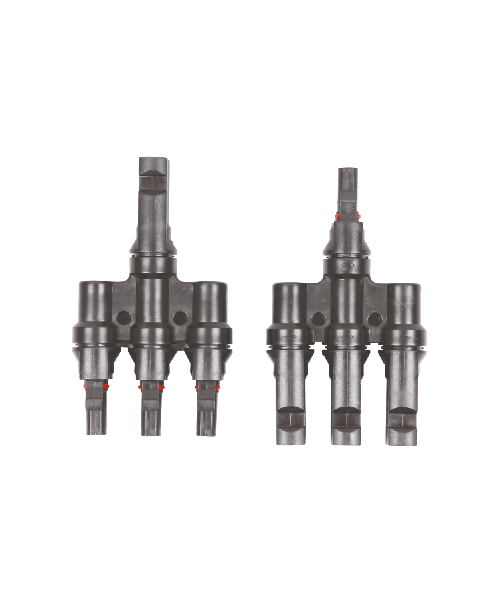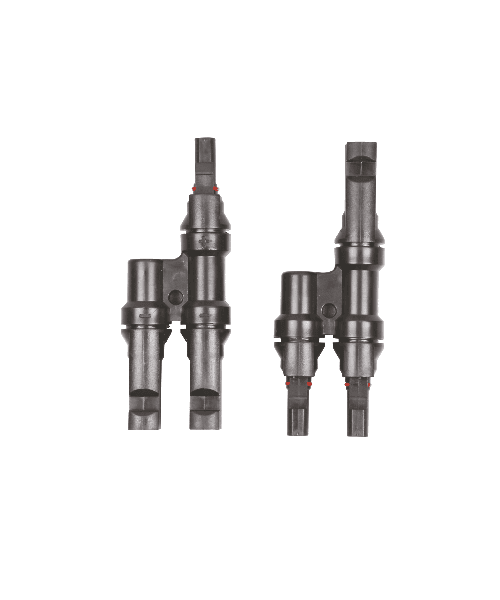
Solar / PV Connector QC4.10 Mate for High-Current Solar Applications
Solar / PV Connector QC4.10 Mate delivers secure and efficient mating connections for high-current solar power systems.
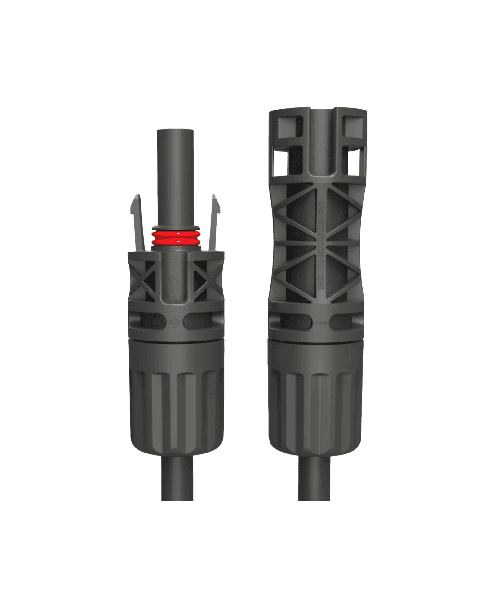
The Solar / PV Connector QC4.10 Mate is designed to provide reliable mating connections in high-current photovoltaic systems. Engineered for stable electrical performance and secure engagement, it supports efficient power transmission in large-scale solar installations. Its robust structure ensures long-term durability, making it suitable for demanding outdoor PV environments.
Features
Excellent current carrying and high voltage (2000V) capability
Excellent waterproof performance
Easy Installation
Low contact resistance
Higher cable tensile strength
Technical Data
Item | QC4.10-Mate |
|---|---|
Rated Current | 2.5mm²-41A; 4mm²-46A; 6mm²-55A; 10mm²-70A |
Rated Voltage | IEC2000V / UL2000V |
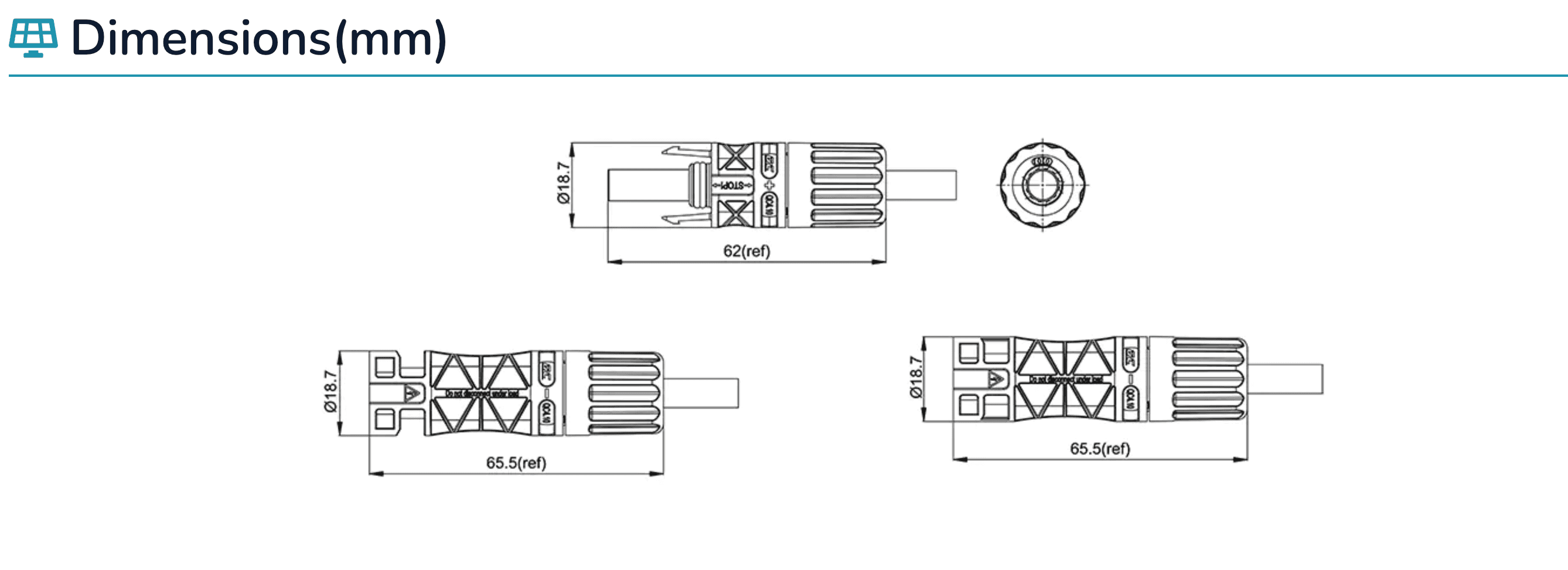
Maximum Outside Diameter | 18.7mm |
Wet leakage resistance | ≥2000MΩ |
Contact Resistance | ≤0.1mΩ |
Temperature Range | -40℃~+85℃ |
Certification test | IEC62852, UL6703 |
Reliability Testing | DH2000, HF50, HAST96, TC400 |
compatibility | MC4, EVO2 |
Adaptable cable specifications | 2.5/4.0/6.0mm²/10mm² |
FAQs
Q1: What is the QC4.10 Mate connector used for?
It is designed to mate with QC4.10 connectors in PV systems.
Q2: Why is a dedicated mate connector needed?
It ensures secure and stable connections between PV components.
Q3: Where is the QC4.10 Mate commonly installed?
It is used between PV modules and system wiring.
Q4: Does it support efficient power transmission?
Yes, it helps maintain low contact resistance.
Q5: Is it suitable for large PV installations?
It is commonly used in commercial and utility-scale solar systems.